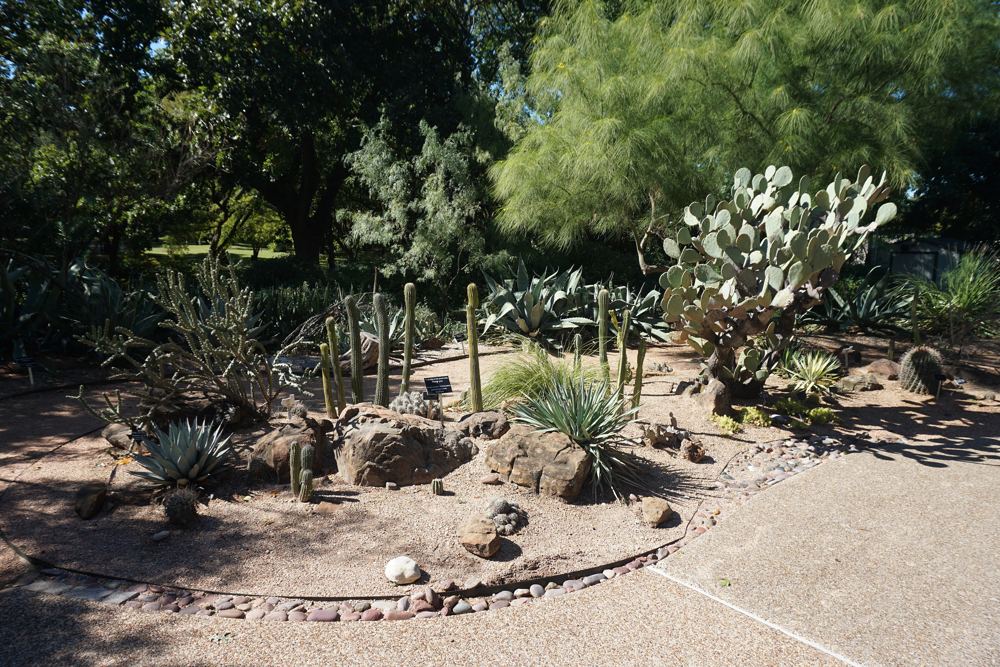
Xeriscape doesn't mean rocks and cactus. Done right it means planting things that already like it here, grouping plants by how much water they need, and keeping turf where you actually use it.
Most of our xeriscape jobs shrink the lawn rather than remove it: a smaller patch of grass for the dog and the kids, and wide native beds around it that need far less water.
- Service area
- Within 25 miles of Rhome, TX: Wise, Denton & north Tarrant County
- Quote
- Free, written and itemized within one business day
- Call
- (817) 555-0142
- Insurance
- Fully insured
What's included
- Turf reduction and bed conversion
- Texas native and adapted plant palettes
- Decomposed granite and stone accents
- Pollinator and wildflower areas
- Native grass meadows on acreage
How it goes
Plan
We sketch it out and list every plant with its water needs. Your sprinklers may need re-zoning; we'll flag it for your irrigator.
Convert
Remove turf, prep soil and build the new beds.
Plant
Plant, mulch, and set the controller for establishment, then dial it back.
Notes from the field
Good natives for our area: cenizo (Texas sage), autumn sage, blackfoot daisy, Gulf muhly, little bluestem, Mexican plum, possumhaw holly and agarita. Most get by on occasional deep watering once they are established, usually after the first year.
Check your HOA rules before you start. Texas law limits how far an HOA can ban drought-tolerant landscaping, but most still require you to submit the plan.
Questions we get
How much water does it save?
It depends on how much turf you convert, but watering lawn is where most outdoor water goes.
Will it look dead in winter?
Some natives go dormant. We mix in evergreens like yaupon, agarita and red yucca so the beds have structure year round.